Blog
16 November 2026
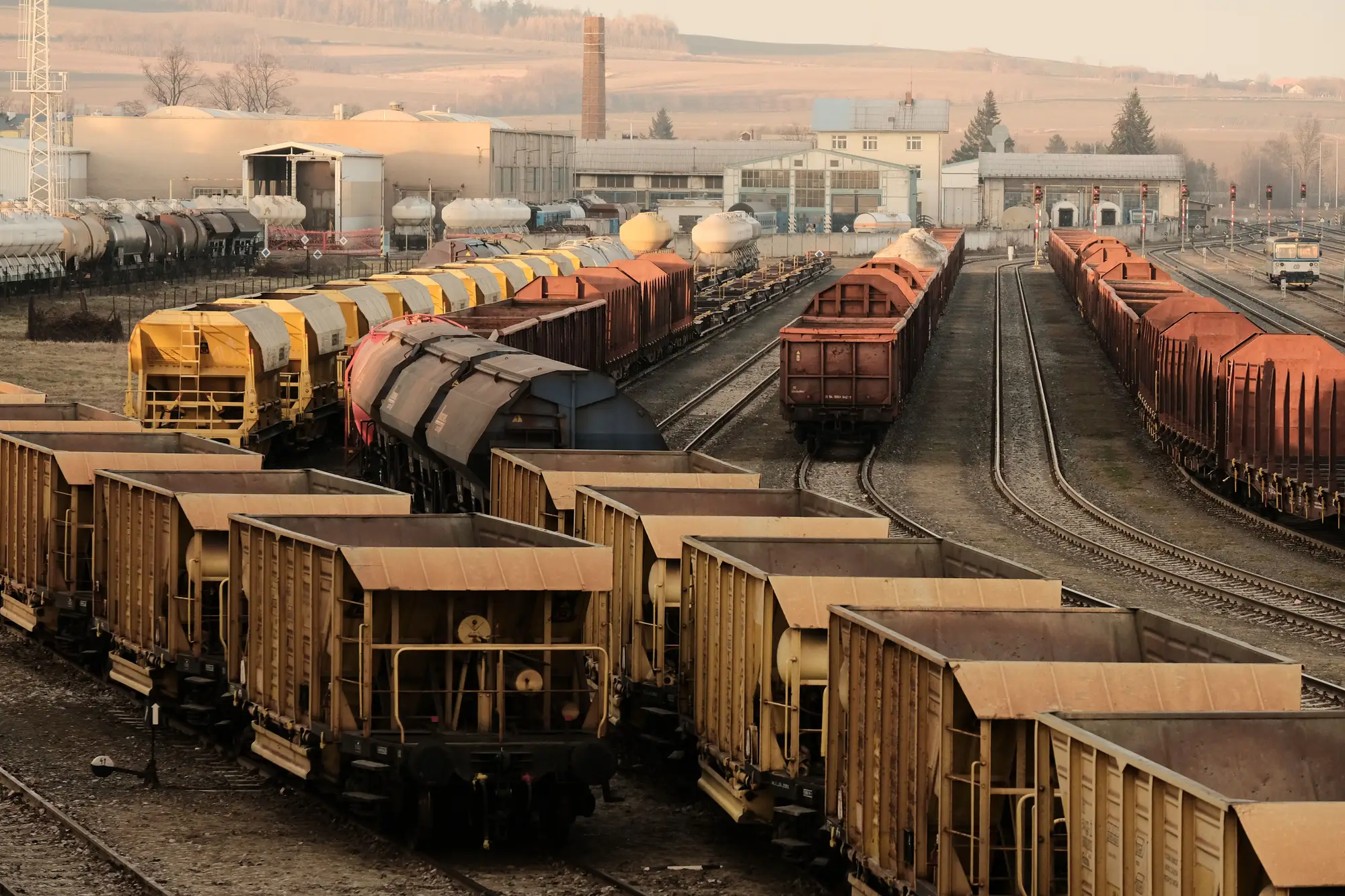 The siding that fills Friday and empties by Monday
A yard siding that fills every Friday and clears by Monday shows why one inspection a week can't catch a weekly cycle.
16 November 2026
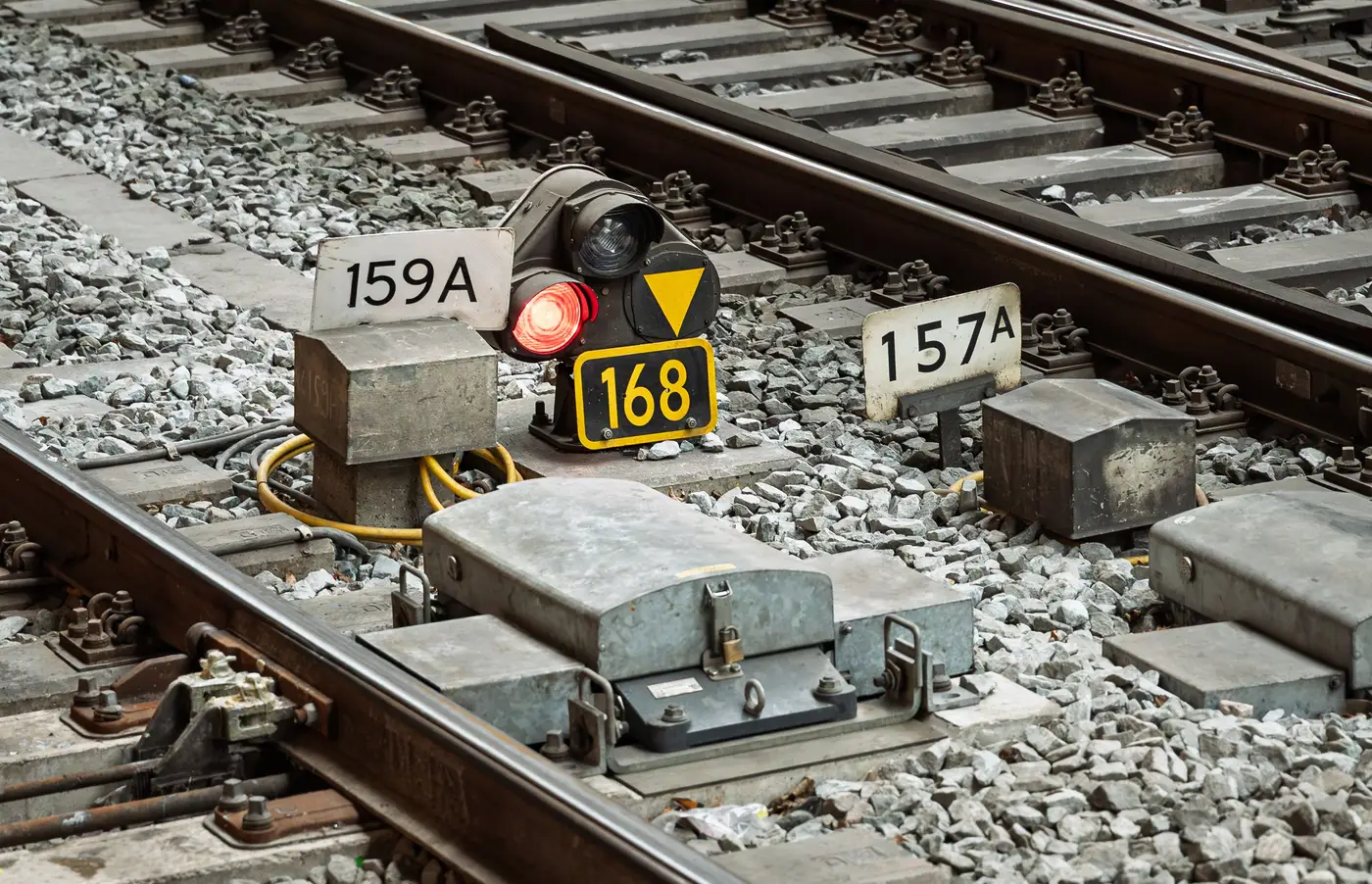 Centerbeam vs. bulkhead flatcar: reading the difference from overhead imagery
How to tell a centerbeam flatcar from a bulkhead flatcar in VHR imagery, by deck shadow pattern, not by name plate.
9 November 2026
How to calculate siding capacity from car length and clearance pointA field method for working out how many cars a siding actually holds, using clearance point distance and average car length.
9 November 2026
What is a switch list, and how does it differ from a weekly car count?Switch lists and satellite car counts answer different questions. Here's what each one tells a yardmaster, and where they overlap.
2 November 2026
 Field notes: the shortline siding that quietly became the busiest track on the subdivision
A shortline spur nobody tracked turned into the subdivision's real bottleneck. Notes on how siding use drifts past the paperwork.
2 November 2026
What is a team track, and how is it different from a private siding?Team track, private siding, industry track, house track: what each term means in yard operations and why the distinction matters for siding counts.
26 October 2026
Tank car vs covered hopper: reading rail car silhouettes from overhead imageryHow to tell a tank car from a covered hopper in VHR satellite imagery: shape, roofline, and shadow cues for rail car silhouette ID.
26 October 2026
What is a ladder track? A rail yard layout glossary entryLadder track defined in plain yard terms, how it differs from a switching lead, and why it matters for anyone counting sidings.
19 October 2026
What a bad order track looks like from overhead imageryWhat a bad order track is, where it sits in a classification yard, and how repeat overhead imagery flags cars that aren't moving.
19 October 2026
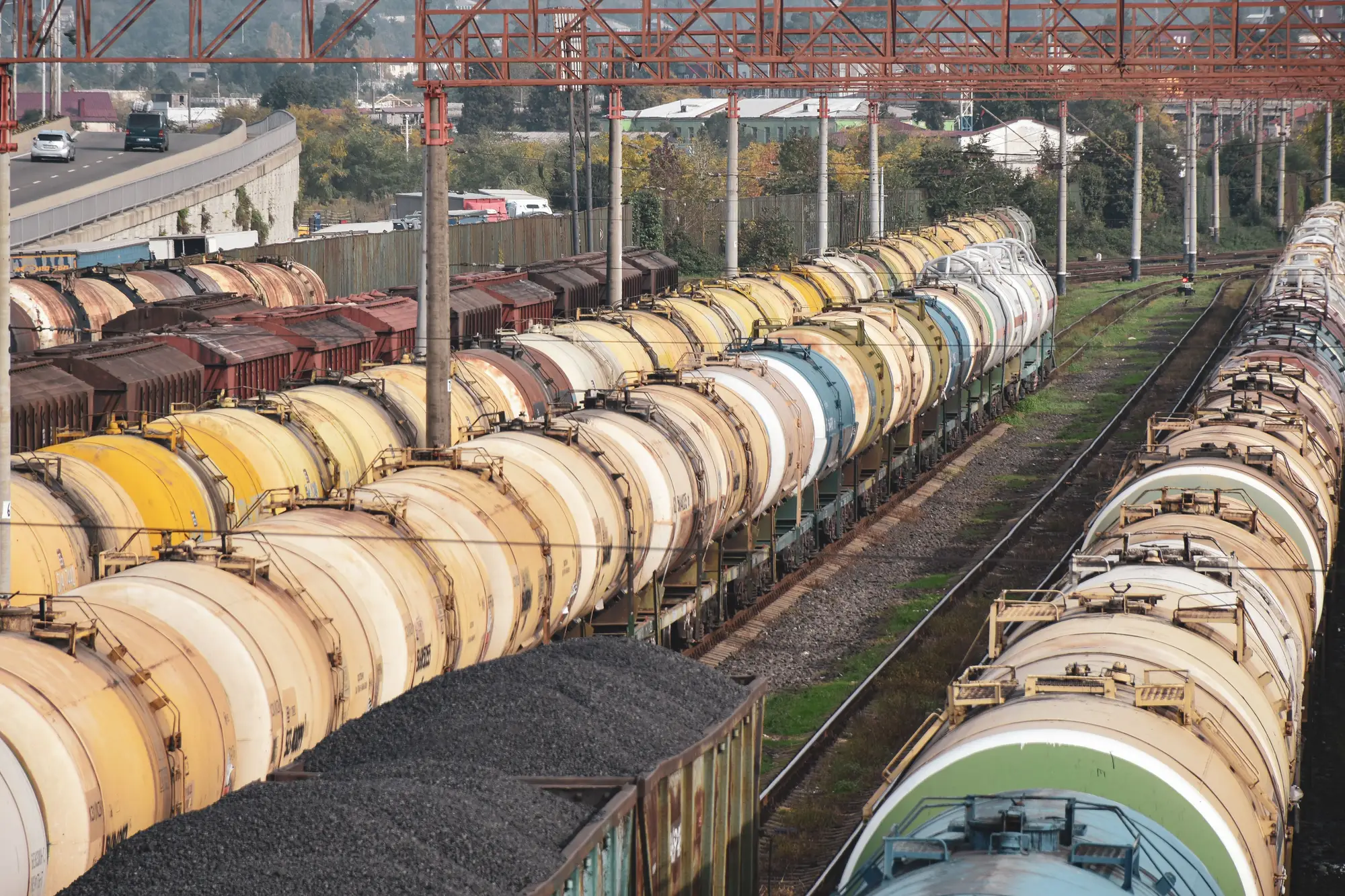 Storage-in-transit: the short line revenue line nobody planned for
How idle sidings turned into a real revenue line for short lines, and why tracking who's storing what is now the hard part.
14 October 2026
Unit train vs manifest train: how to tell them apart in satellite imageryHow to tell a unit train from a manifest train in overhead imagery: car length, spacing, and consist patterns an analyst can read.
14 October 2026
Hump yard vs. flat switching yard: what actually separates themHump yards and flat switching yards both classify cars, but the gravity, the labor, and the pace differ. Here's how to tell them apart.
13 October 2026
Stub siding vs. through siding: telling them apart from overheadHow to read a stub-end track against a through siding in overhead imagery, and why the distinction changes how you count occupancy.
13 October 2026
What is a yard lead? Lead track vs. running track, explainedA yard lead feeds switching moves into the classification tracks; a running track carries movement past the yard. Here's how the terms fit together.
7 October 2026
Boxcar vs gondola vs hopper car: telling rail car types apart from overheadHow to read roofline, shadow, and length in overhead yard imagery to separate boxcars, gondolas, and hopper cars without reporting marks.
7 October 2026
Loaded vs empty rail cars in satellite imagery: what you can actually seeWhat VHR satellite imagery can and can't tell you about a rail car's load state, by car type and by comparing weekly passes.
7 October 2026
Interchange yard vs classification yard: what each one actually doesClassification yards sort cars. Interchange track handles the carrier handoff. Here's the actual difference, and why it matters for counting cars.
7 October 2026
What is car dwell time, and why yard managers track itCar dwell time measures how long a railcar sits idle in your yard. Here's how it's calculated and why it matters for siding capacity.