7 October 2026
What is car dwell time, and why yard managers track it
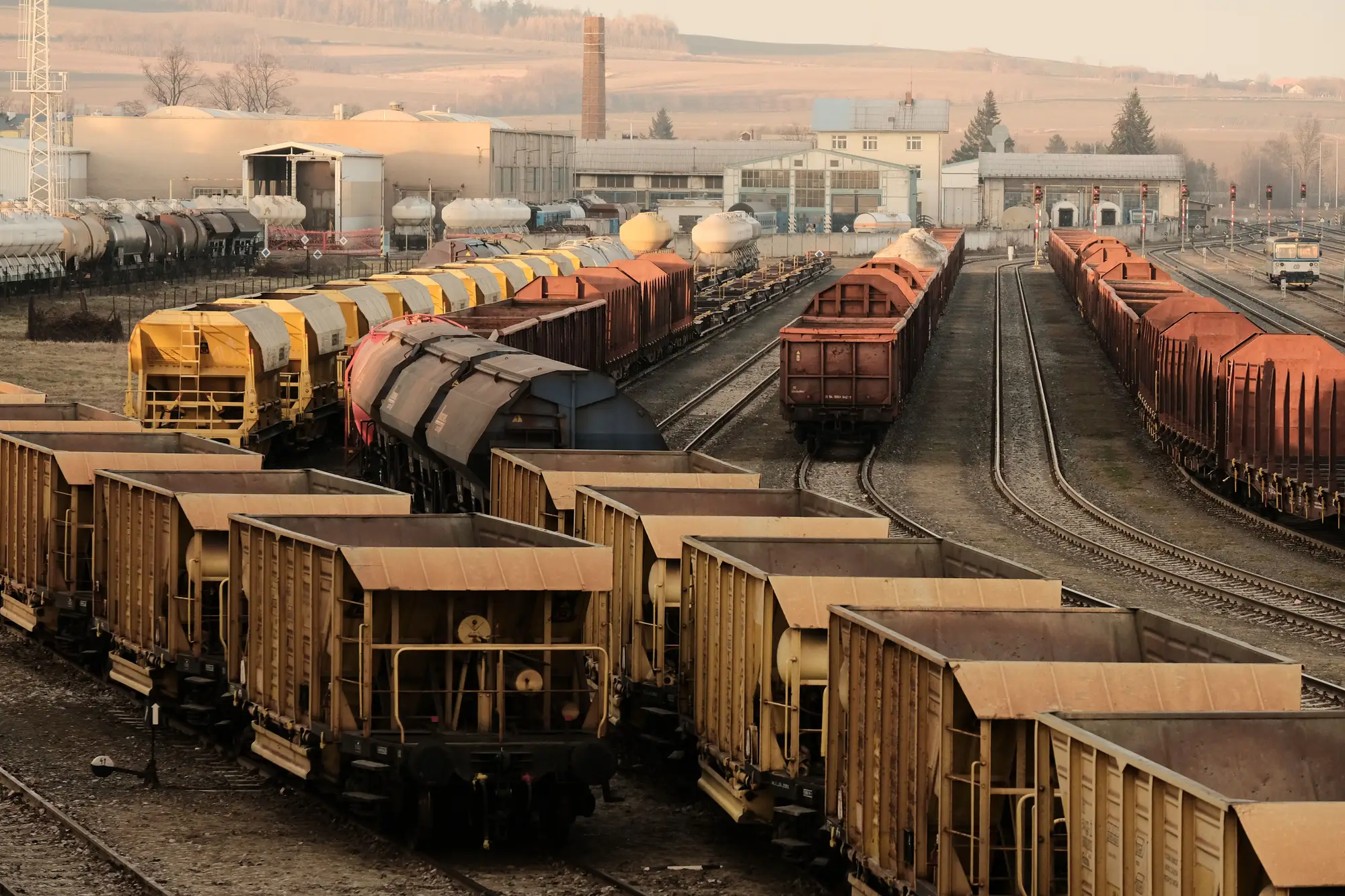
Car dwell time is the number of hours a railcar spends sitting in a yard between arrival and departure, whether that's waiting to be classified, waiting on a crew, waiting for a connecting train, or just parked on a storage track because nobody's called for it yet. It's one of the oldest metrics in railroading, and still one of the most argued-over, because two yards can calculate it two different ways and land on numbers that aren't really comparable.
At its simplest: dwell time = departure timestamp minus arrival timestamp, averaged across all cars that moved through the yard in a given period. Class I networks report system-wide average dwell publicly, and it's usually somewhere in the 10-to-24-hour range depending on the railroad and the quarter. But that system average hides more than it tells a yard manager. A car that dwells 6 hours on a through track and a car that dwells 6 days on a bad-order siding both get averaged into the same number.
Why dwell time matters beyond the scorecard
Every hour a car sits is an hour it isn't earning anything for the shipper or the railroad. Demurrage charges start accruing once a car exceeds its free time, so a shipper tracking dwell on their own private fleet has a direct cost reason to care. For the yard, dwell is really a proxy for track occupancy: if cars are dwelling longer, your sidings fill up faster, and you run out of room to spot inbound traffic before you've cleared out what's already there.
This is where dwell time and siding capacity become the same conversation. A yard with 40 sidings and an average dwell creeping from 18 hours to 30 hours isn't just slower, it's effectively lost a chunk of its storage capacity without anybody moving a single foot of track. That's the number that should trigger a conversation about whether you need another receiving track, a second switch crew, or just a harder look at which customers are sitting on cars they don't need yet.
Yard managers also track dwell by car type and by siding, not just as one blended average. A unit train of covered hoppers parked on a storage lead behaves completely differently than mixed freight cycling through a classification bowl, and lumping them together washes out the pattern you're trying to catch.
Where the numbers usually come from, and where they fall apart
Most yards build dwell numbers from whatever system they already have: AEI reader pings at the yard limits, a TMS or yard management system, switch lists, or in a lot of short lines and smaller terminals, a dispatcher's notebook and institutional memory. Each of those has a gap. AEI tells you when a car crossed a reader, not which siding it's parked on. A TMS is only as current as the last manual update, which in a busy yard can lag by a shift or more. And none of them tell you, at a glance, which tracks are full right now versus which ones just look full on a spreadsheet from Tuesday.
That gap between "what the system says" and "what's physically sitting on the ground" is the recurring headache behind most dwell disputes. A yard manager quoting 22 hours average dwell and an operations VP seeing a congested yard on a site visit are often both right, because the system of record and the physical yard drifted apart somewhere in between.
If your yard doesn't have a ground-truthed inventory system tying dwell to specific sidings, the honest fix isn't a better spreadsheet, it's a way to see the yard itself on a regular cadence. That's the gap Rail Yard Counts was built to close: a weekly read of the yard footprint that counts rolling stock by type and gives every siding its own occupancy figure, so dwell numbers can be checked against what's actually parked out there instead of what a database assumes is still there.
Dwell time will keep being the metric everyone quotes, but it's only as good as the occupancy data underneath it. If you want to see what a siding-by-siding occupancy read looks like for your own yard, take a look at what Rail Yard Counts delivers.