2 November 2026
What is a team track, and how is it different from a private siding?
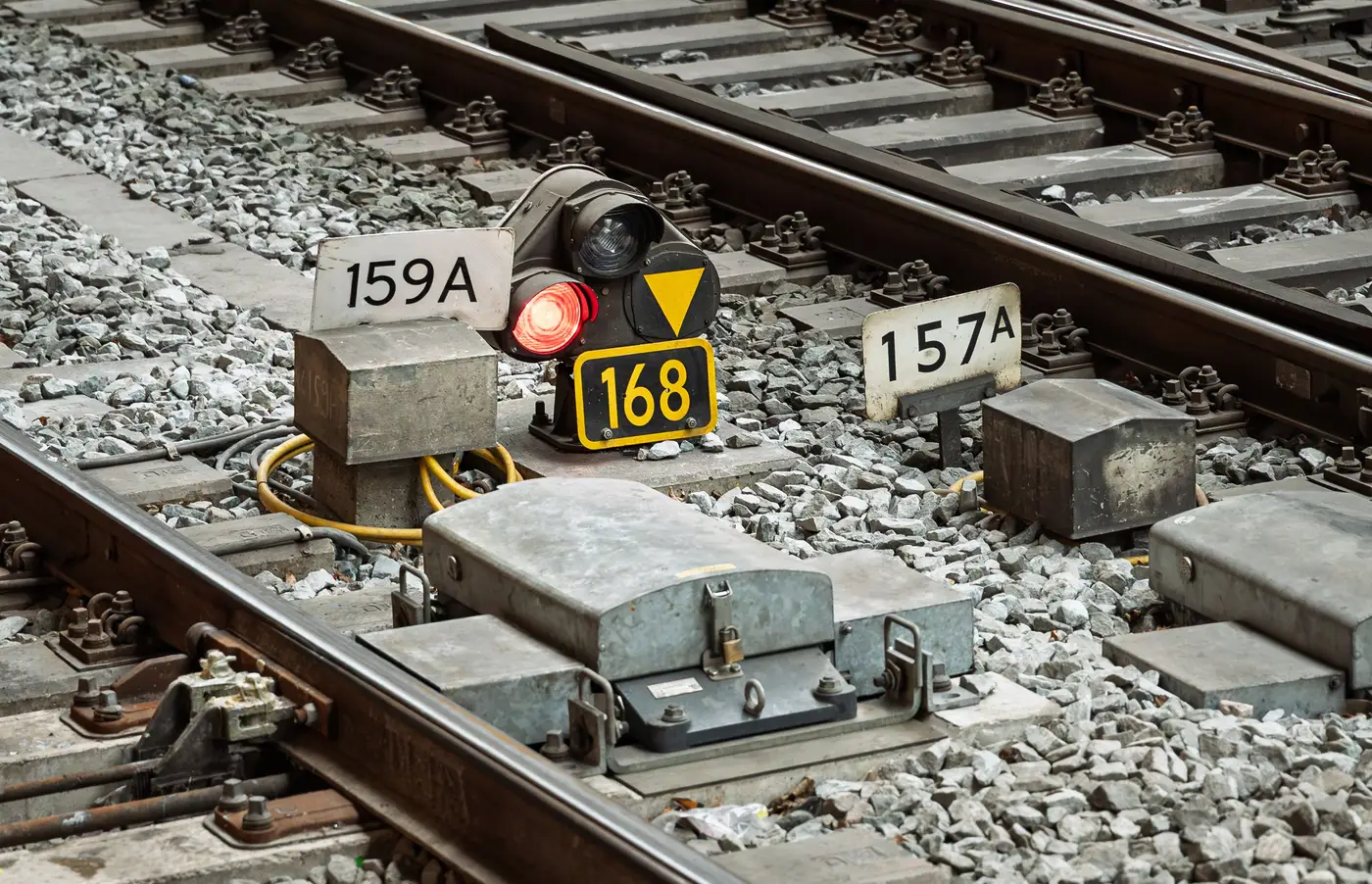
Anyone who has tried to reconcile a track chart against what's actually sitting in the yard has run into the same wall of near-synonyms: team track, private siding, industry track, house track. They get used loosely in conversation, but they mean different things on paper, and the difference affects who can spot a car there, who pays for the space, and who's on the hook when it sits too long.
Team track: open, carrier-owned, first-come
A team track is a stub or running track owned and maintained by the railroad, open to any shipper who doesn't have their own rail-served dock. The name is a leftover from the horse-and-wagon era, when a "team" of horses pulled a dray up to the track to load or unload freight by hand. Nobody holds a lease on a team track. A shipper requests a spot, the car gets placed, loading or unloading happens within the free time allowed, and then the car has to move so the next customer can use the space.
Because team tracks are shared and unassigned, they're also where demurrage clocks get watched most closely. A yard that doesn't rotate team track traffic loses the flexibility the track exists for in the first place, and that's usually the first place a trainmaster looks when car counts start creeping up with no obvious cause.
Private siding, industry track, and house track
A private siding is built to serve one customer, often running right into a plant, elevator, or warehouse. It may be owned by the railroad and leased to the shipper, or built and maintained by the shipper under a track agreement, but either way the capacity is dedicated. Nobody else spots a car there without the customer's say-so.
"Industry track" and "house track" are the terms you'll hear used for the same thing, and the overlap is real enough that people use them interchangeably without much trouble. Strictly, an industry track is any siding built to serve a specific industry or facility, which covers most private sidings. "House track" shows up more in intermodal and bulk-terminal work, for a dedicated spur running to one building or dock. In everyday yard talk, if a spur only ever sees one shipper's cars, people will call it private, industry, or house track depending on which region and railroad they learned the job on. They're all describing the same arrangement: one customer, one connection, no public access.
The practical split that matters is simpler than the vocabulary: team track is shared and unassigned, private siding (by whatever name) is dedicated to one shipper. That distinction drives who's billed for dwell, who's allowed to spot or pull a car, and how a yardmaster plans switching around it.
Why the distinction matters for counting a yard
None of this shows up as a label painted on the rail. A track chart will tell you which siding belongs to which customer, but track charts go out of date the day a lease changes hands or a track gets reassigned after a plant closes. Walk the yard or pull an aerial pass and you see cars sitting on a siding. You don't automatically see whether that siding is team track open to the next shipper in line, or a private siding under a ten-year industry agreement.
That gap matters more at scale. A yard with forty sidings and a mix of team tracks, leased industry spurs, and interchange tracks needs per-siding occupancy tracked against what kind of siding each one is, not just a raw count of occupied track. Rail Yard Counts reads the yard footprint from repeat imagery and hands back occupancy by siding alongside a wagon count by type, so the team track and the private sidings each get their own read instead of getting lumped into one number for the yard.
If your network has sidings nobody's tracking from the ground, that's worth a look.