14 October 2026
Hump yard vs. flat switching yard: what actually separates them
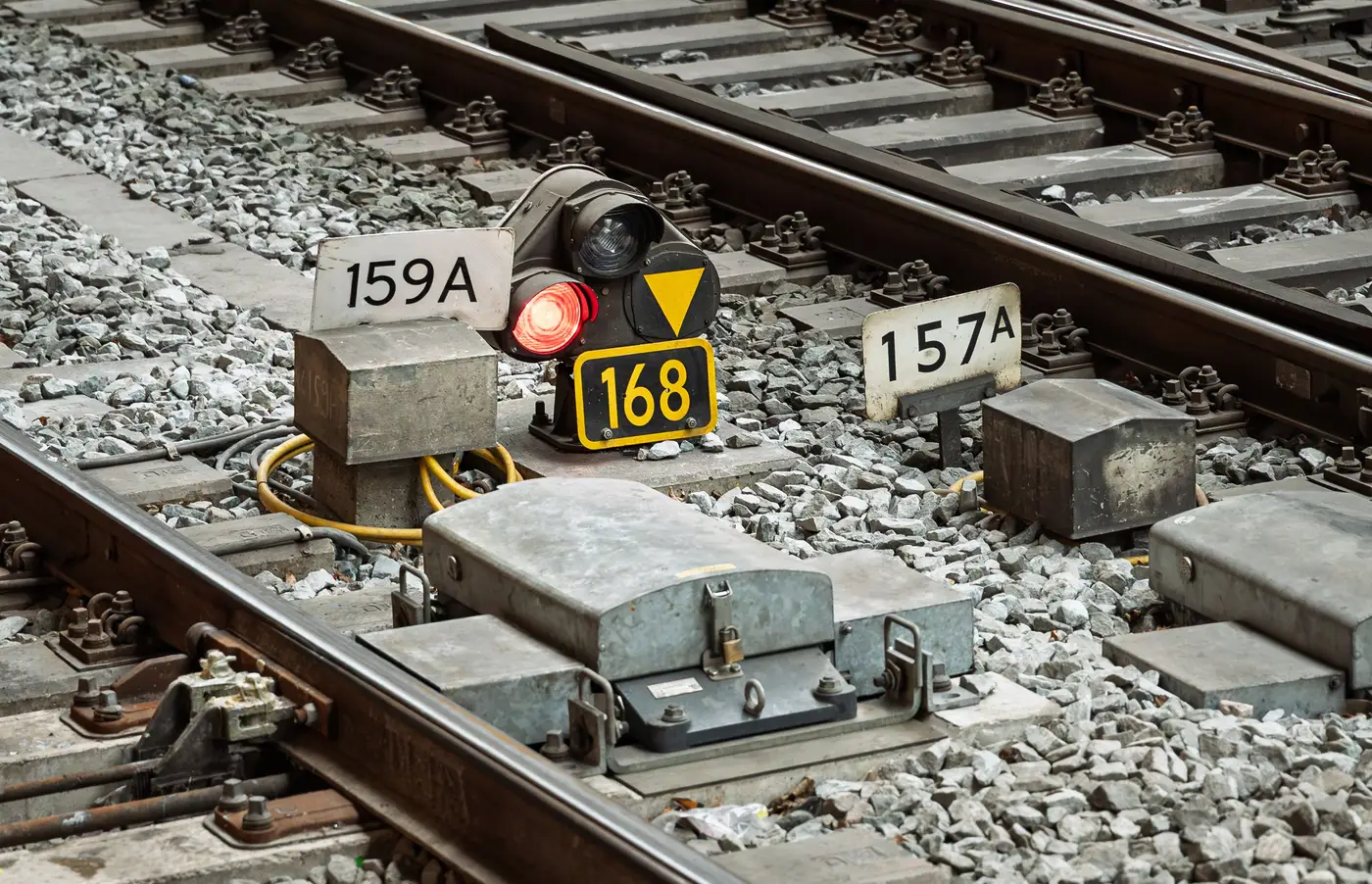
Ask two railroaders what a "classification yard" is and you'll get two different pictures in their heads, depending on whether they cut their teeth on a hump or on flat ground. Both do the same basic job: take an inbound train that's a mix of destinations and break it into outbound blocks sorted by where each car is going next. How they get there is where the similarities end.
The hump yard method
A hump yard uses gravity to do the heavy lifting. Inbound cars get shoved up a small rise, the hump, where a car retarder operator (often working from a tower, sometimes now automated) uncouples cars one or a few at a time at the crest. Gravity rolls each cut down the far side, through a switching ladder, and onto the bowl track assigned to its destination. Retarders bleed off speed so the cars couple up gently instead of slamming into whatever's already sitting on the track.
The advantage is throughput. A hump can classify a long cut of cars in a fraction of the time a flat yard needs, because you're not waiting on a locomotive to shove and pull for every switch. That's why the big Class I classification yards, places built to sort hundreds of cars a shift, are humps. The tradeoff is cost and complexity: retarders, control towers, and a crest grade aren't cheap to build or maintain, and a hump needs enough inbound volume to justify running it.
The flat switching yard method
A flat switching yard does the same sorting job with no grade at all. A switch crew works a yard engine back and forth, pulling cars off an arrival track, shoving them down the ladder, and spotting them on the correct classification track by hand, one move at a time. There's no gravity assist and no retarder system, just crew, power, and time.
Flat switching makes sense where volume doesn't justify a hump, or where terrain and space rule one out. Smaller yards, industrial branch terminals, and a lot of shortline operations run flat because it's the only method that fits the footprint and the car counts they're moving. It's slower car-for-car than humping, but it's also simpler to run and a lot cheaper to maintain. No retarder system to inspect, no crest to engineer around.
Classification method and what it means for siding counts
The practical difference that matters once cars are sorted isn't the method, it's where they end up sitting. A hump yard's bowl tracks and a flat yard's classification tracks both function as sidings holding blocks of cars waiting on an outbound movement, a connecting train, or a customer pickup. Whether those cars got there by rolling down a hump or by a crew shoving them track by track, the siding still fills up, still needs clearing, and still needs to be tracked against whatever capacity that track has.
That's the part that tends to fall through the cracks on a network with a mix of hump and flat yards and no single inventory system tying them together. A dispatcher knows a yard is "getting full" anecdotally, from a yardmaster's radio call or a stale switch list, long before anyone has a current count of what's sitting on which track. On a network of any size, that gap between what the paperwork says and what's physically on the ground is where delay starts.
This is the specific problem Rail Yard Counts was built around: a weekly read of the yard footprint, by siding, with rolling stock counted by type, so an analyst isn't relying on whoever last walked the ladder to know what's parked where.
Hump or flat, the method a yard uses to classify cars is mostly a question of history, volume, and terrain. What matters downstream is simpler: how many cars are sitting on each track right now, and whether that matches what the yard book says. If you're tracking siding occupancy across a mix of yard types and want a current count without sending someone out with a clipboard, that's the gap this product fills.