19 October 2026
Storage-in-transit: the short line revenue line nobody planned for
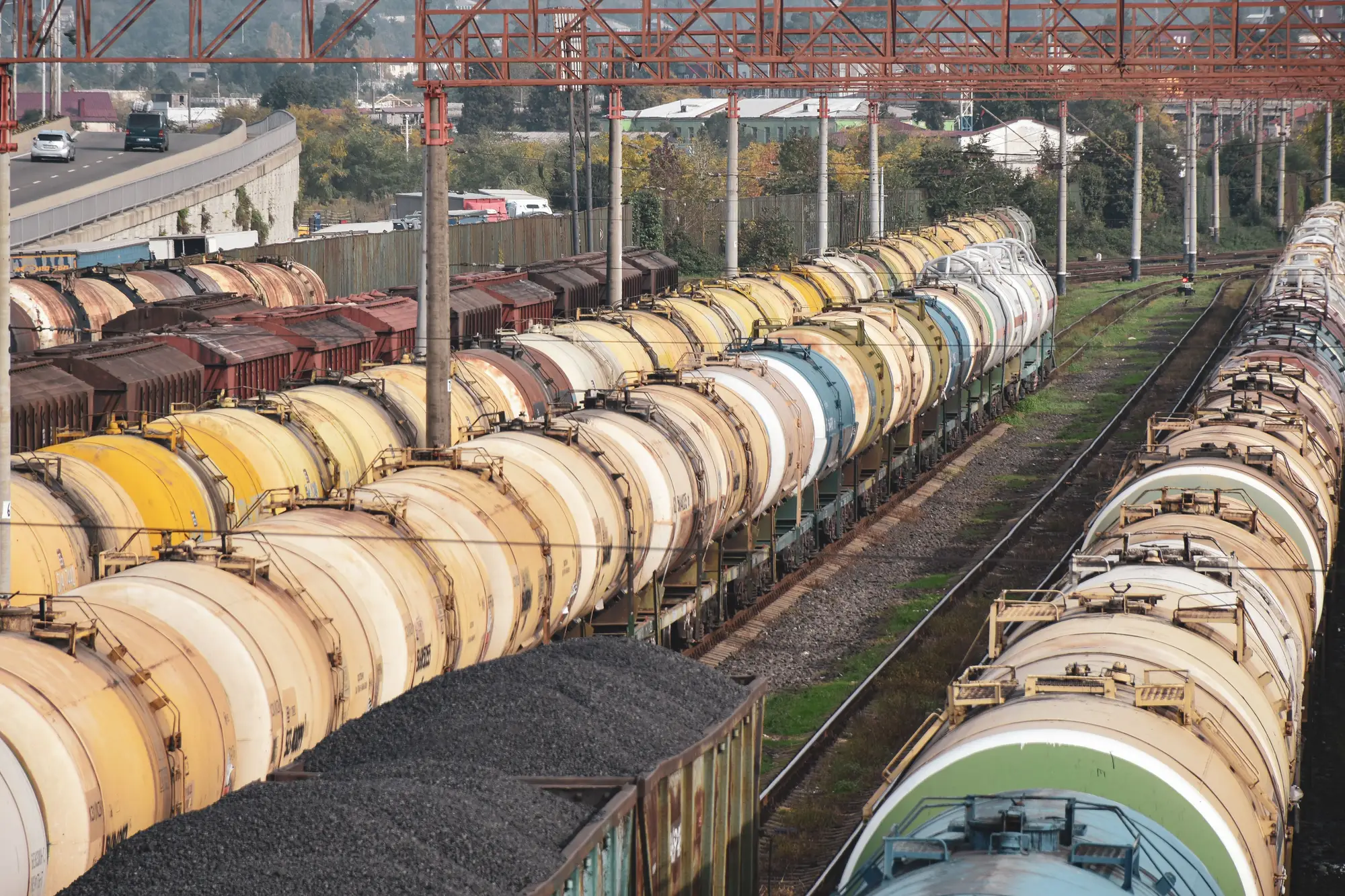
A few years back, a trainmaster at a mid-sized grain-and-chemical short line told me their busiest siding wasn't moving a single car most weeks. It was full, tank cars nose to tail, going nowhere, and he said it with something like satisfaction. The shipper paying to leave that fleet parked there was covering more of the siding's annual cost than the switching revenue off it.
That's common knowledge now, though it took the industry a while to say it out loud. Storage-in-transit, SIT, used to be the awkward cousin at the operations meeting: a tariff line nobody loved because it meant cars weren't flowing, dwell was up, and somewhere a Class I interchange partner was grumbling about per diem. Now it's a line item finance people ask about by name.
The mechanics haven't changed. A shipper has product made but no buyer yet, or a buyer but no open rack slot, or a railcar lease that doesn't expire until the market does something more sensible. The railroad has track. The shipper pays to park. What's changed is the arithmetic around it, and a few things pushed it there at once.
Tank car and covered hopper fleets grew faster than demand cycles smoothed out, so shippers have had more rolling stock sitting idle between uses than they used to, especially in frac sand, ethanol, and plastics resin. Free time on Class I networks got stingier as those roads leaned harder on velocity metrics, which pushed more storage demand down onto connecting short lines that still have slack track and more patience for a parked cut of cars. And short line operators, watching per-car switching margins get squeezed by labor and fuel, started doing the math on what an idle siding was worth sitting empty versus leased by the week or month.
The honest version of this is that a short line's real estate, the sidings, the yard tracks, the old industrial spurs nobody's called on in a decade, turned out to be worth more as warehousing than most operators had ever priced it. A shipper with nowhere better to put a fleet will pay to park it on a siding that never sees a car moved.
That's a quiet shift in how a short line thinks about its own footprint. A yard that used to be evaluated purely on throughput, cars switched per shift, interchange turns made, now gets evaluated partly on how much dead track it has to rent out. The short lines doing this well treat siding inventory the way a self-storage operator treats units: know what's full, know what's open, know what's coming off lease next month so you're not caught flat when a shipper calls asking for forty slots on short notice.
Where this gets operationally messy is that most short lines don't have a clean, current answer to "which sidings are full right now and with what." Car counts live in somebody's head, or a spreadsheet that's a week stale, or whatever the last conductor radioed in. For a revenue line that depends on knowing exactly what capacity you have left to sell, that's a thin foundation. A yard operator can only price idle track with confidence if they know the occupancy of every siding on the property without sending a crew out to walk it, which is the kind of gap a weekly read of the whole yard from overhead is built to close, wagon type and all, siding by siding.
SIT isn't going to replace switching revenue, and nobody running a short line thinks it should. But it's stopped being the thing operators apologize for in rate conversations. It's a product now, with its own inventory problem, and the railroads that figure out how to manage that inventory as deliberately as they manage train starts are the ones quietly padding their margins while everyone else is still counting cars by eye.
If that's the gap on your railroad too, Rail Yard Counts is built for exactly this kind of siding inventory question.