7 October 2026
Interchange yard vs classification yard: what each one actually does
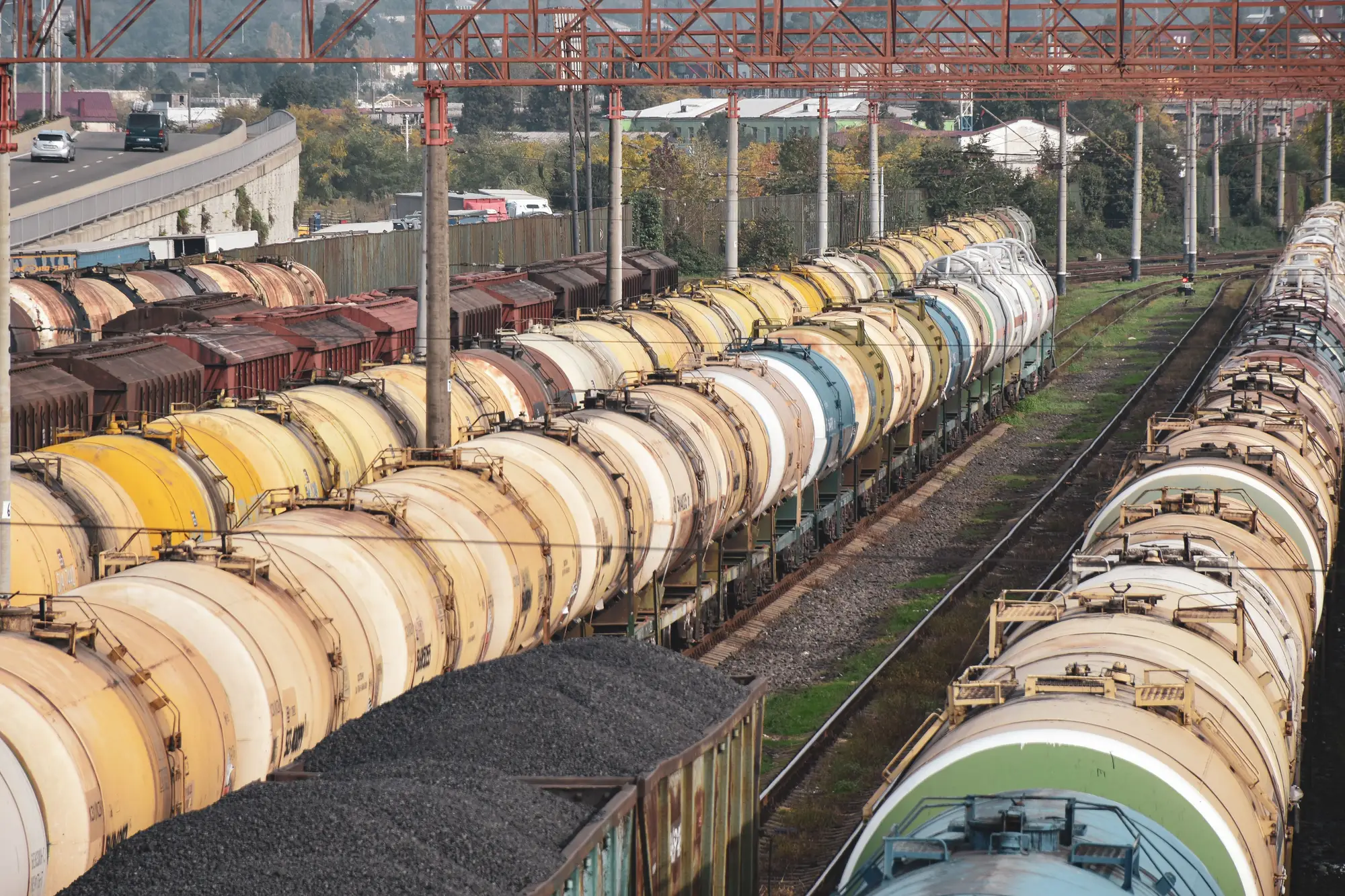
Ask any yardmaster where the classification yard ends and the interchange begins and you'll get a shrug, then a long answer. The terms get used loosely in casual conversation, but they describe two different jobs a yard does, and knowing which one you're looking at changes how you track equipment on the ground.
What a classification yard actually does
A classification yard sorts. Inbound trains get broken into cars, and those cars get resorted into new blocks bound for different destinations. Some yards use a hump to do this; others work it with a flat switching lead. The classification bowl is a cluster of parallel tracks, each one holding a specific block: cars for a single industry spur, or a block headed to a connecting carrier three states over. Dwell time in the bowl is what yardmasters watch closest, because a car sitting in the wrong track past its cut time throws off the next outbound.
Classification yards tend to have the most track miles per acre of any yard type, and the most churn. Cars arrive, get humped or kicked, and leave again, often within a shift or two. If you're trying to get an inventory count off a classification bowl by walking the tracks or pulling a report from a TMS that's a day behind, you're already behind the yard.
Interchange yards and interchange track
An interchange yard is built around a handoff point between two carriers. This is where one railroad's power sets off cars for another railroad to pick up, or where a shortline connects to a Class I. The interchange track itself is usually a smaller set of tracks, sometimes just a single siding, positioned near a junction or a border between carrier territories. Cars can sit on interchange track for hours or for days, waiting on the receiving railroad's crew, waiting on paperwork, waiting on a slot in that carrier's own schedule.
Because interchange track isn't doing active sorting, it looks quieter than a classification bowl on paper. That stillness is exactly what makes interchange dwell expensive. A car parked on an interchange track past its agreed window starts racking up per diem charges, and nobody notices until the bill shows up.
Some yards do both jobs on the same footprint. A regional yard might classify inbound traffic on one set of tracks and hand off blocks to a connecting carrier on an adjacent siding a few hundred feet away. The track charts call out the difference. From the cab of a locomotive, or from a drone photo, the two functions can look like one continuous yard.
Why the distinction matters for counting cars
If you're trying to track utilization across a network, this distinction decides what you're actually measuring. A classification yard's story is about flow: how fast cars move through the bowl, which tracks are backing up, where the hump crew is falling behind. An interchange track's story is about dwell and handoff: how long cars sit waiting on another carrier, and whether that siding is tied up when the next cut needs to land there.
Mixing the two readings together into a single car count tells you a yard is "busy" without telling you whether it's busy sorting or busy waiting. That gap is what a weekly, siding-by-siding occupancy read closes. Instead of one aggregate number for the whole yard, you get occupancy broken out track by track, so a classification bowl backing up and an interchange track sitting idle show up as two separate problems instead of one blurred one. It doesn't matter whether a given track is labeled "classification" or "interchange" on the yard diagram. It just counts what's sitting on it, week over week.
If your network runs both yard types and you've never had a clean way to compare them side by side, Rail Yard Counts is built for exactly that read.