2 November 2026
Field notes: the shortline siding that quietly became the busiest track on the subdivision
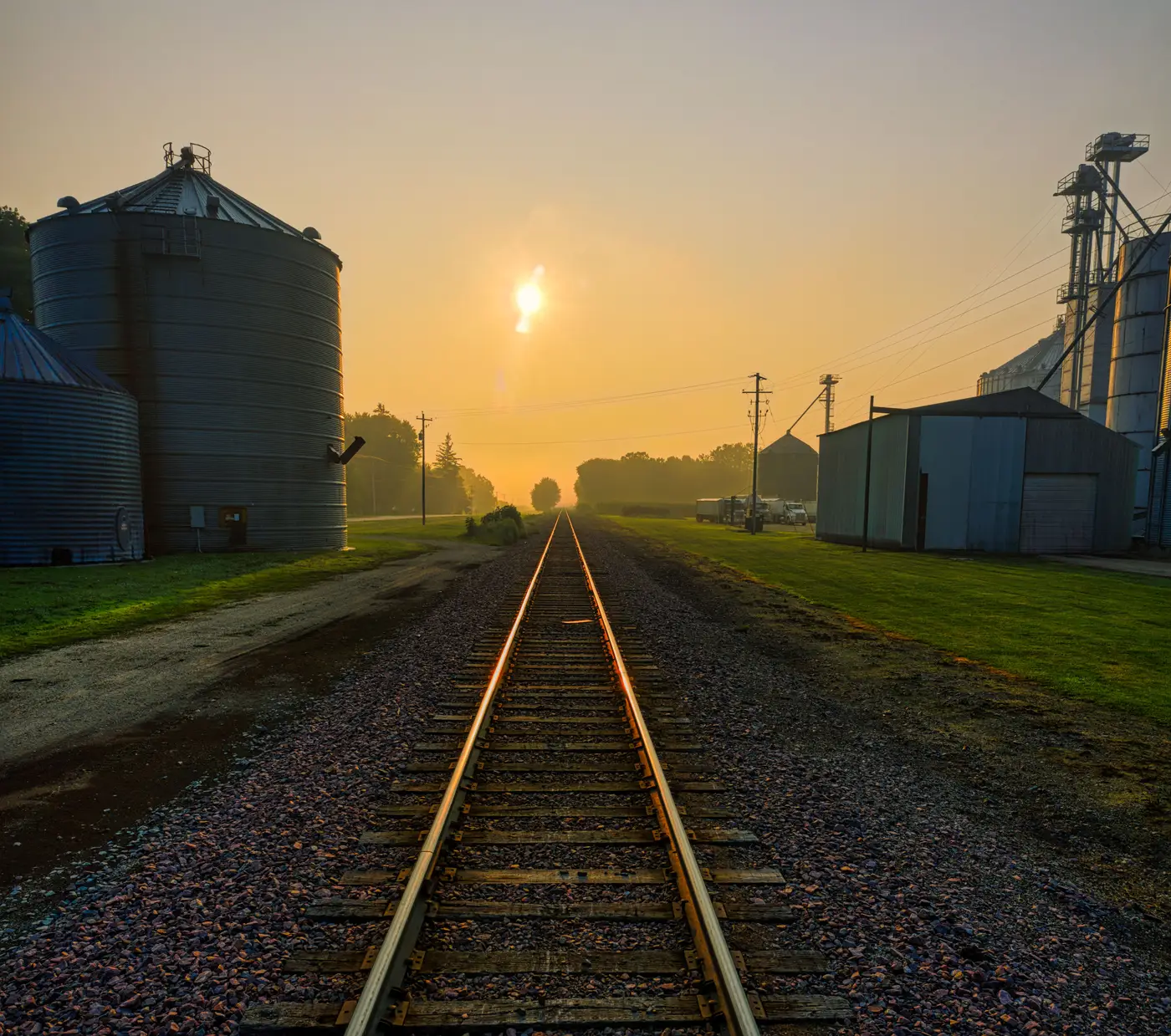
A trainmaster on a shortline out of the Midwest told me about a siding that wasn't on anybody's radar for years. Three car spots, serving a feed mill that used to take a dozen cars a month. Nobody budgeted drill time for it. Nobody flagged it in the weekly ops call. It sat there the way a lot of secondary sidings sit, present on the track chart, absent from anyone's actual attention.
Then the mill added a second line and started shipping more finished product out than it brought grain in. The car count crept from a dozen a month to four or five a week, then to a standing order the local crew had to work around every single trip. By the time anyone noticed, that three-spot siding was generating more switching moves than two of the yard's scheduled industries combined, and the crew was improvising a sequence that should have been planned months earlier.
Nobody lied about it. Nobody hid the growth. It just happened in increments too small for any one shift to notice, and too far from headquarters for the car count to show up as a line item worth a second look. The siding didn't send up a flare. It just got busier, trip after trip, until the people running the subdivision were reacting to a problem that had been building in plain sight.
This is the part of yard work that doesn't make it into the monthly report. Car counts at major yards get tracked because somebody's job depends on it. A spur three towns over, served twice a week by a local, lives or dies on tribal knowledge: the conductor who remembers it's been heavier lately, the yardmaster who happens to mention it in passing. When that person moves on or gets pulled to another assignment, the knowledge goes with them, and the siding goes back to being invisible until it causes a delay bad enough to escalate.
Shortlines feel this harder than Class Is. A Class I has a car management system that at least logs where every car sat last night, even if nobody reads the report. A lot of shortlines and regional carriers run on paper, radio calls, and the memory of whoever's been on the job longest. That works fine until growth outpaces the people doing the remembering, which is exactly what happened on that feed mill spur.
Catching it earlier would have taken a record of what's actually sitting on each siding, built often enough that a slow drift shows up as a drift instead of a surprise. A once-a-week read on occupancy across every siding on the subdivision would have shown that three-spot track filling up a quarter at a time, long before the crew was improvising switch orders on the fly. A weekly read of every siding on the territory gives you exactly that: a standing count of what's parked where, so growth like that shows up as a line on a chart instead of a story someone tells after the fact.
The trainmaster's fix, once the problem got loud enough to act on, was straightforward: add the siding to the drill schedule properly, give it its own switch list, stop treating it like an afterthought. But it took a near-miss on car hire charges to force the conversation. The siding had been busy for the better part of a year before anyone with the authority to fix the schedule knew it.
That's the pattern worth remembering. The bottleneck that bites you is rarely the one on the chart with the big number next to it. It's the quiet one that's been gaining a car or two a week for longer than anyone tracked.
If a siding on your subdivision has been quietly earning its keep without anyone noticing, a weekly occupancy read will tell you before the crew has to improvise around it.